
In 1892, a coal mine in Johnstown, Pennsylvania, exploded after an electrical spark ignited trapped methane gas. More than 100 miners lost their lives that day—a tragedy that was far too common in the Gilded Age. As newspapers reported the disaster, two young electrical engineers in Syracuse, New York, read the headlines with a mix of grief and resolve.
Charles F. Crouse and John A. Hinds knew they could build something to prevent these senseless deaths. What followed would launch a legendary industrial brand and rewrite the rules of workplace safety forever. Yet today, the names of these innovators and the team that expanded their legacy are largely forgotten.
The Founders: A Partnership Born from Tragedy
Before Crouse-Hinds became a household name in industrial safety, it was a small startup founded by two men with personal ties to the hazards they sought to fix.
Charles Crouse began his career as a telegraph operator, where he witnessed first-hand how exposed electrical wires could spark explosions in mines and railway tunnels. John Hinds, a trained electrical engineer, had spent years designing circuit systems for factories, where he saw workers risk their lives daily due to unregulated electrical equipment.
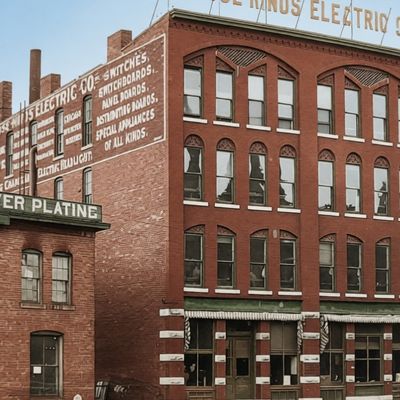
The pair met while working on a railway signaling project in the mid-1890s, bonding over their shared frustration with the lack of safety standards. In 1897, they founded the Crouse-Hinds Company with a single mission: to eliminate electrical hazards in dangerous environments.
Unlike contemporary inventors like Thomas Edison or Nikola Tesla, who courted public acclaim, Crouse and Hinds were quiet, practical problem-solvers. They rarely gave interviews or sought media attention, preferring to let their work speak for itself.
The First Revolution: Explosion-Proof Technology That Saved Lives
Before Crouse and Hinds’ breakthrough, electrical switches, junction boxes, and lighting fixtures were fully exposed. In mines, refineries, and chemical plants, even a tiny spark from a loose wire could ignite flammable gases or dust clouds, triggering catastrophic explosions.
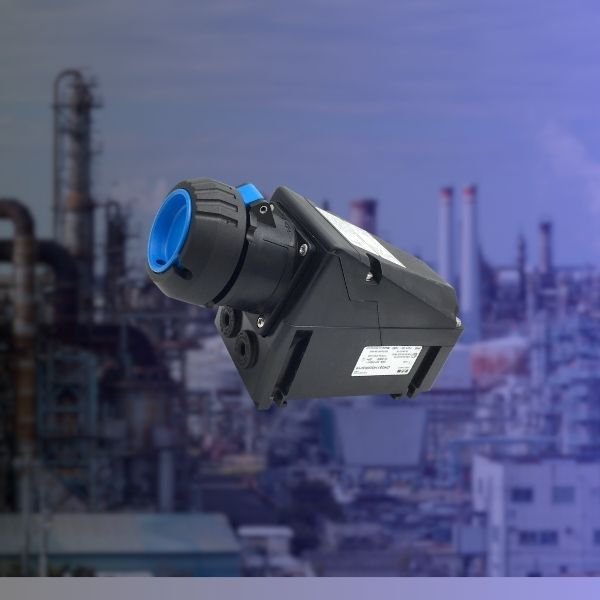
Their game-changing invention, patented in 1901, was the first enclosed explosion-proof electrical enclosure. The design was deceptively simple yet brilliant:
- The enclosure trapped any sparks generated inside the metal box.
- Thick, heat-resistant walls cooled the sparks before they could escape.
- Tight seals prevented flammable gases from entering the enclosure in the first place.
By 1910, Crouse-Hinds explosion-proof fixtures were standard in most U.S. coal mines. According to U.S. Bureau of Mines data, mine explosion fatalities dropped by 65% between 1900 and 1920—largely due to the adoption of this technology.
Beyond the Founders: The Unsung Engineers Who Expanded the Legacy
Crouse and Hinds laid the foundation, but a team of lesser-known engineers turned their initial invention into a global safety movement. Here are two of the most forgotten contributors:
William S. Murray: The Father of Intrinsically Safe Circuits
In 1912, William S. Murray joined Crouse-Hinds and set out to solve a critical limitation of explosion-proof enclosures: they could still fail if damaged in a workplace accident. Murray developed the first intrinsically safe circuit, which limits electrical energy so drastically that it cannot produce a spark hot enough to ignite flammable materials—even if the circuit is damaged.
This technology became a cornerstone of safety for oil and gas refineries, where heavy machinery and harsh conditions made enclosure failure a constant risk.
Eleanor Crouse: A Trailblazing Female Safety Engineer
Charles Crouse’s daughter, Eleanor, was one of the few female electrical engineers of the early 20th century. She joined the company in 1925 and led research into waterproof safety fixtures for marine and offshore environments. Her work ensured that ships and oil rigs could operate safely in saltwater conditions, a gap that had been largely ignored by male-dominated engineering teams at the time.
From Products to Policy: Shaping Global Safety Standards
Crouse-Hinds engineers didn’t just build safer equipment—they wrote the rules that govern industrial safety today.
In 1911, they collaborated with early safety regulators to draft the first National Electrical Code (NEC) requirements for hazardous locations. These standards, which are still updated and used across the U.S. today, define how electrical equipment must be designed, installed, and maintained in high-risk environments.
Later, the company worked with the International Electrotechnical Commission (IEC) to adopt these standards globally, making Crouse-Hinds a benchmark for industrial safety in Europe, Asia, and beyond.
Why These Innovators Are Lost to History
So why have Crouse, Hinds, and their team been largely forgotten? There are three key reasons:
- Lack of Self-Promotion: Unlike Edison or Tesla, who were master showmen, Crouse and Hinds avoided the spotlight. They focused on solving problems, not building personal brands.
- Corporate Consolidation: In 1994, Eaton Corporation acquired Crouse-Hinds. While the brand still exists, its historical archives were consolidated, and the stories of its founding engineers were overshadowed by the larger corporate identity.
- Unsexy Innovation: Safety technology is rarely glamorous. Unlike consumer gadgets or breakthrough communication tools, explosion-proof enclosures don’t capture public imagination—even though they save thousands of lives every year.
Their Enduring Legacy in Modern Safety
Today, every time a worker enters a petrochemical plant, a coal mine, or a ship’s engine room, they rely on technology rooted in Crouse-Hinds’ early innovations. OSHA estimates that proper use of Crouse-Hinds-style safety equipment prevents more than 1,000 workplace explosions each year in the U.S. alone.
The explosion-proof enclosures, intrinsically safe circuits, and safety codes that these forgotten engineers developed are still the backbone of global industrial safety regulations.
Conclusion: Honoring the Unsung Heroes of Safety
The story of Crouse-Hinds is not just a story of a successful company—it’s a story of ordinary people who turned grief into action. Charles Crouse, John Hinds, William Murray, Eleanor Crouse, and the countless other engineers who followed them didn’t invent flashy gadgets or revolutionize communication. They invented something far more important: the right to go to work and come home safely.
As we continue to improve safety standards in the 21st century, it’s worth taking a moment to remember the forgotten minds who started it all. Their legacy lives on in every safe workplace, every protected circuit, and every life saved.